

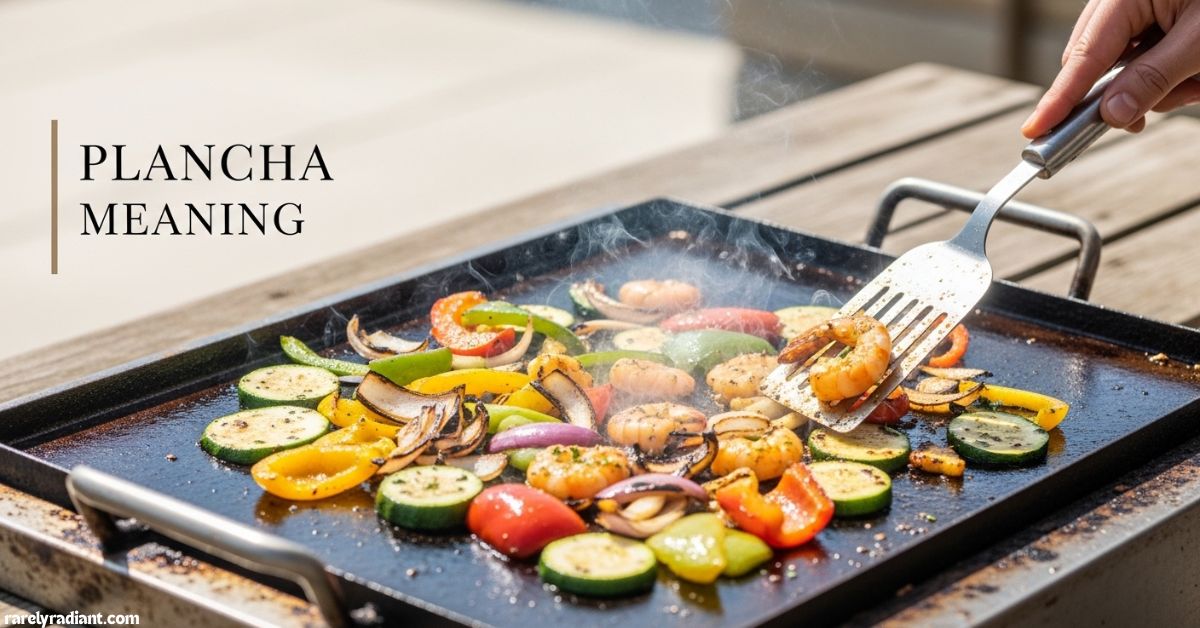
If you’ve ever watched a chef sizzle seafood or steak on a hot, flat surface, you’ve probably seen a plancha in action. But what exactly is a plancha, and why is it so popular in kitchens around the world? In this article, we’ll explore the plancha meaning, its history, types, cooking techniques, and expert tips so you can elevate your meals at home or in a professional setting.
What Is a Plancha? Definition and Origins
The term plancha comes from Spanish, literally translating to “iron plate”. In English, plancha meaning refers to a flat, smooth, and extremely hot cooking surface used to sear, grill, or cook food quickly. Originally, planchas were made from cast iron or stainless steel, heated directly over a fire, and used in traditional Spanish and Latin American kitchens.
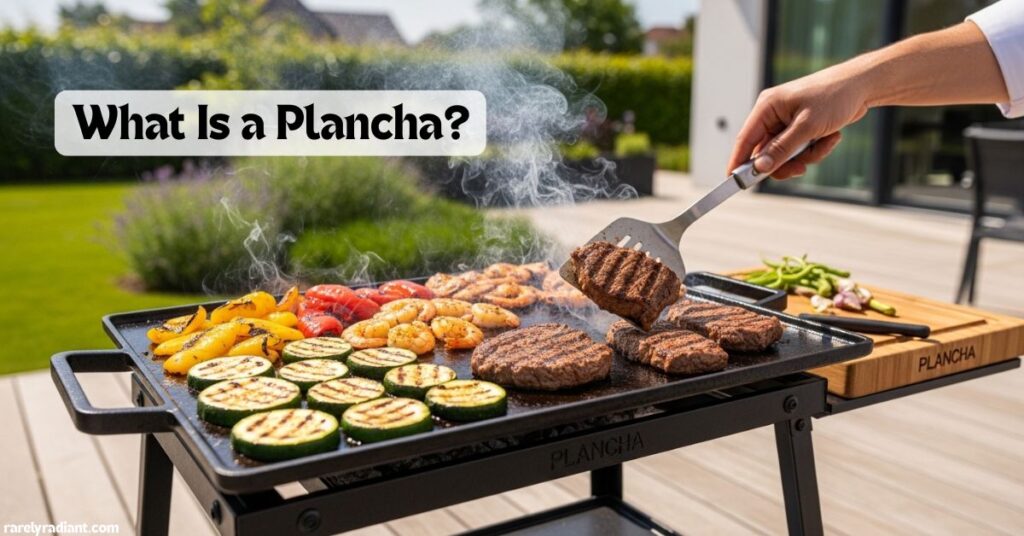
Over time, the concept evolved. Modern planchas include gas, electric, and portable versions, allowing cooks to bring restaurant-quality searing to home kitchens. The main goal remains the same: to cook food evenly at high heat while locking in flavors and juices.
“A plancha lets you taste the food, not the fat or oil.” – Chef José Andrés
Read Also: HBU Meaning Explained: Texting Definition Guide
Types of Planchas
Not all planchas are created equal. Choosing the right type depends on your cooking style, kitchen setup, and the foods you plan to prepare. Here’s a clear breakdown:
| Type of Plancha | Material | Heat Source | Pros | Cons |
|---|---|---|---|---|
| Gas Plancha | Stainless Steel / Iron | Propane / Natural Gas | Quick heating, excellent sear | Requires gas connection |
| Electric Plancha | Cast Iron / Non-Stick | Electricity | Indoor-friendly, easy to control temp | Slower preheat, less intense sear |
| Portable / Tabletop | Aluminum / Stainless Steel | Gas / Electric | Flexible, compact, great for outdoor use | Smaller cooking surface |
| Built-In Plancha | Stainless Steel | Gas | Professional-level cooking, durable | Expensive, permanent setup |
Each type has its place. A gas plancha is ideal for outdoor parties or professional chefs, while an electric plancha is perfect for home kitchens where simplicity and safety matter.
How to Use a Plancha
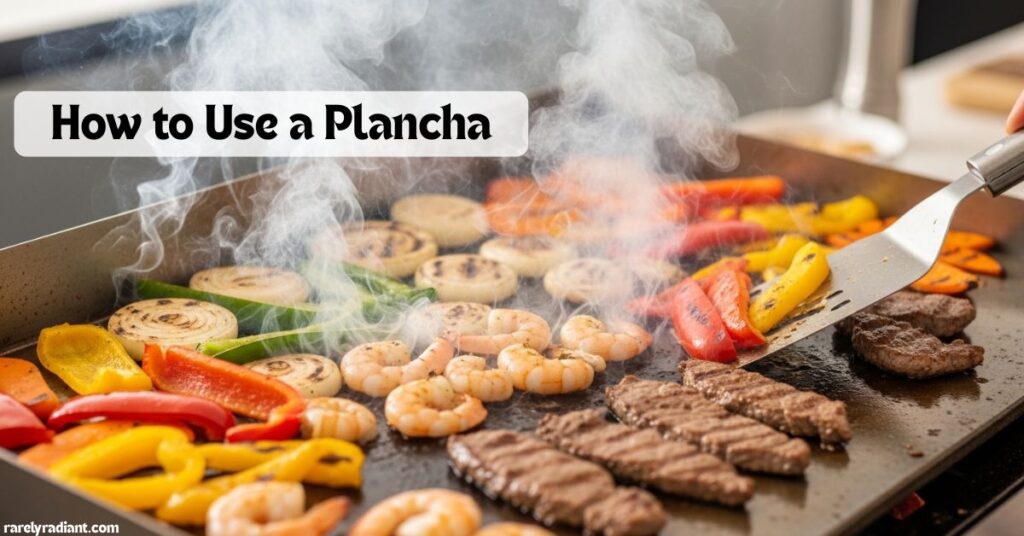
Cooking on a plancha is deceptively simple, but mastering it can transform ordinary meals into restaurant-quality dishes. Here’s how:
Step-by-Step Guide
- Preheat the Plancha – Always preheat your plancha for 5–10 minutes. Food sticks less when the surface is hot.
- Oil Lightly – Use a high smoke-point oil like grapeseed or avocado. Brush lightly to prevent sticking.
- Arrange Food Properly – Avoid overcrowding. Each piece should touch the surface for even cooking.
- Cook with Attention – Plancha cooking is fast. Keep a close eye to avoid burning.
Cooking Techniques
- Searing – Perfect for meats, fish, and seafood. The high heat locks in juices while creating a flavorful crust.
- Stir-Frying – Use smaller vegetables or thinly sliced meats for quick, vibrant dishes.
- Griddling – Pancakes, eggs, or tortillas cook evenly with a light crust.
Expert Tips for Best Results
- Never move food too soon; let it naturally release from the surface.
- Keep a small spray bottle of water to manage flare-ups on gas planchas.
- Layer marinades or spices directly on the food for flavor without burning the plancha surface.
Advantages of Cooking on a Plancha
Using a plancha offers distinct advantages over pans, grills, or ovens. Here’s why chefs and home cooks alike love it:
- Even Heat Distribution – The flat surface heats uniformly, preventing cold spots or uneven searing.
- Retains Moisture and Flavor – Quick cooking preserves the food’s natural juices.
- Healthy Cooking – Requires less oil than frying or sautéing.
- Fast Cooking Times – Ideal for busy households or professional kitchens.
- Versatility – Works for meats, seafood, vegetables, and even breakfast dishes.
Fun Fact: In Spain, “cocina a la plancha” (cooking on a plancha) is synonymous with quick, fresh, and flavorful meals.
Read Also: Awl Meaning in Text Slang: What It Really Means Online
Common Foods Cooked on a Plancha
The plancha is incredibly versatile. Here are the most popular foods and some tips for each:
- Seafood – Shrimp, scallops, and fish fillets sear beautifully in 2–4 minutes. Sprinkle with lemon juice post-cooking.
- Meats – Steak, chicken, and pork develop a golden crust quickly. Use a thermometer for perfect doneness.
- Vegetables – Zucchini, peppers, mushrooms, and asparagus caramelize nicely. Brush lightly with oil to enhance color.
- Breakfast Items – Eggs, pancakes, and tortillas cook evenly without sticking. A non-stick plancha works best.
Quick Tips Table
| Food Type | Ideal Temperature | Cooking Time | Extra Tip |
|---|---|---|---|
| Shrimp | 400°F / 200°C | 2–3 mins | Flip once, finish with lemon zest |
| Steak | 450°F / 232°C | 4–6 mins | Rest for 5 mins before serving |
| Vegetables | 375°F / 190°C | 3–5 mins | Light oil brush enhances color |
| Eggs | 325°F / 163°C | 2–3 mins | Cover with lid for even cooking |
Cleaning and Maintaining Your Plancha
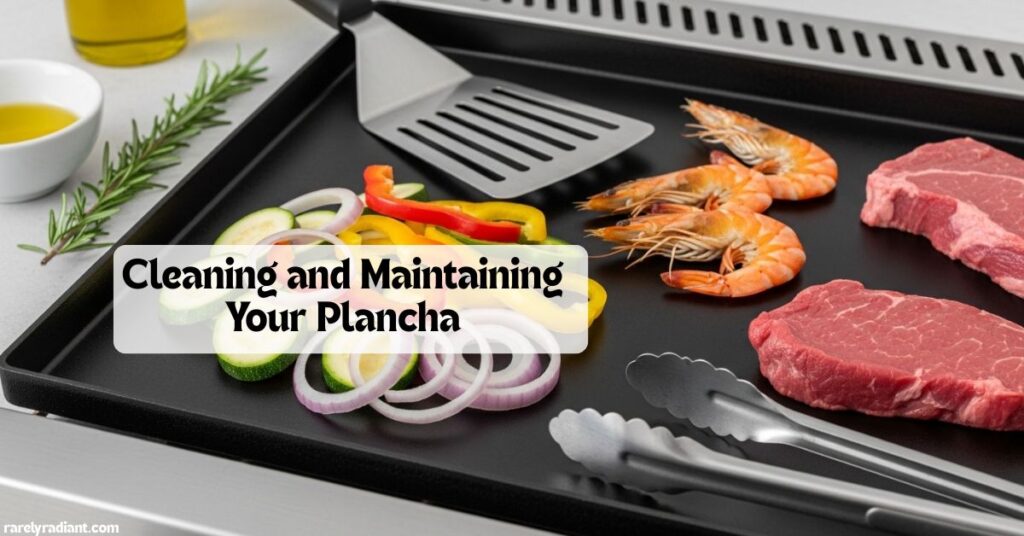
A well-maintained plancha lasts for years. Follow these tips:
Immediate Cleaning
- Wipe down the surface with a paper towel after each use.
- Pour a little water while it’s still warm to loosen residue.
Deep Cleaning
- For cast iron planchas, use a soft brush with hot water. Avoid soap.
- For stainless steel, mild detergent is fine.
Maintenance Tips
- Season cast iron planchas occasionally with a light layer of oil to prevent rust.
- Store in a dry place; moisture causes corrosion.
- Check screws and handles periodically for stability.
Pro Tip: Regular maintenance improves heat retention and cooking performance.
Plancha Cooking Tips From Experts
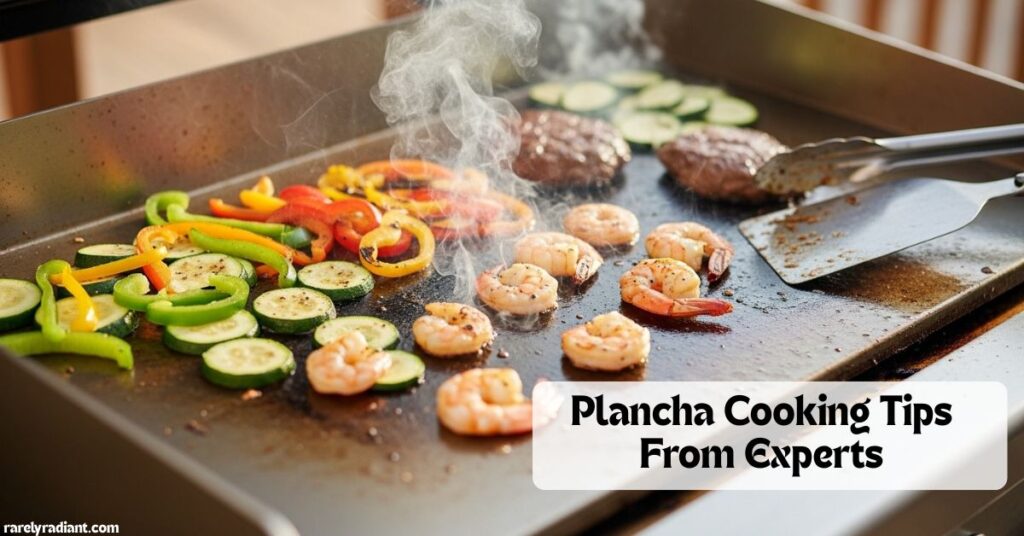
Seasoned chefs often share these pro secrets:
- Temperature Mastery – Use different heat zones for delicate vs. robust foods.
- Flavor Layering – Marinate meats but pat dry before cooking for better sear.
- Avoid Overcrowding – Too much food lowers surface temperature, causing uneven cooking.
- Presentation Matters – Slice seared food immediately for dramatic plating.
Read Also: What Does YN Mean Slang? Simple Meaning Explained
Plancha vs. Other Cooking Methods
Understanding the differences between a plancha and other methods helps you cook smarter.
| Cooking Method | Flavor Outcome | Health Impact | Speed |
|---|---|---|---|
| Plancha | Intense sear, retains juices | Low oil needed | Fast |
| Griddle | Slight browning, less sear | Moderate oil | Moderate |
| Grill | Smoky flavor, charred marks | Some fat drips off | Moderate |
| Sauté | Softer texture, light browning | Medium oil | Fast |
Plancha wins in flavor retention, speed, and healthy cooking.
Plancha Recipes to Try
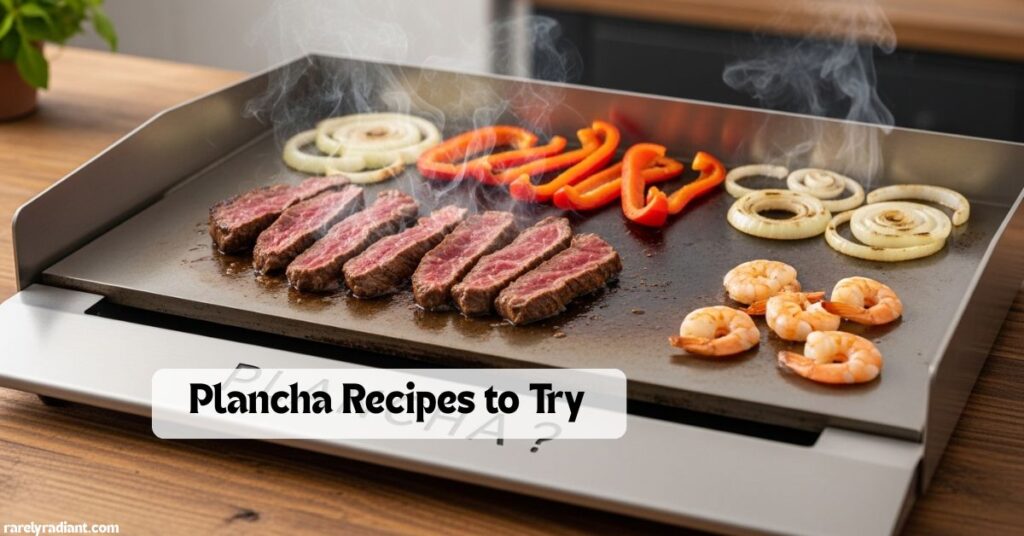
Here are a few easy-to-follow recipes to start using your plancha today:
1. Garlic Butter Shrimp
Ingredients:
- 1 lb shrimp
- 2 tbsp butter
- 2 cloves garlic, minced
- Lemon juice
- Salt & pepper
Method:
- Preheat plancha on medium-high.
- Add butter, garlic, and shrimp.
- Sear 2–3 minutes per side.
- Finish with lemon juice and parsley.
2. Plancha-Grilled Veggie Medley
Ingredients:
- Zucchini, bell peppers, mushrooms, asparagus
- 1 tbsp olive oil
- Salt & pepper
- Optional herbs (thyme or rosemary)
Method:
- Brush veggies with olive oil and season.
- Place on preheated plancha.
- Cook 3–5 minutes until lightly charred.
- Serve immediately with a drizzle of balsamic glaze.
3. Plancha Breakfast Eggs and Tortillas
Ingredients:
- 2 eggs per person
- Tortillas
- Butter or oil
Method:
- Heat plancha to medium.
- Cook eggs sunny side up or over easy.
- Warm tortillas alongside.
- Serve with avocado or salsa.
Cooking on a plancha allows quick, multi-item meals without compromising flavor.
Conclusion
A plancha is more than just a flat cooking surface. It’s a tool that enhances flavor, preserves moisture, and speeds up cooking while offering versatility for meats, seafood, vegetables, and breakfast items. Understanding the plancha meaning in English and knowing how to use it properly can turn everyday meals into culinary experiences.
From selecting the right type, learning expert tips, to exploring recipes, a plancha becomes an indispensable part of any modern kitchen. So, whether you’re a home cook or aspiring chef, it’s time to grab your plancha iron and start cooking.
“Once you’ve cooked on a plancha, no other method feels quite the same.” – Culinary Insider

Scott John is a seasoned content creator with over 4 years of experience specializing in heartfelt Captions, husband-wife relationship insights, milestone celebrations, brother-daughter bonds, and thoughtful gifting guides. His creative work is the heart behind rarelyradiant.com a platform dedicated to making every occasion meaningful and memorable.